the formulation note · vol. 01
estrogen drops. skin holds less water. none of this is a personal failing.
The formulation note is the long version of what fits on a bottle. Four ingredients, calibrated for body skin in transition. Plain English for everything else, because there is no clinical-claim shortcut to actually understanding what a formula does.
the thesis
the body in transition is a different formula brief.
The body of a woman at thirty-five and the body of a woman at fifty-two are not the same formulation brief. They share the same skeleton, the same ingredient categories, the same shelf at the pharmacy — and almost nothing else. From the late thirties onward, estrogen begins a slow, uneven decline, and with it the systems estrogen quietly underwrote: the lipid layer that holds water at the surface, the ceramide synthesis that keeps the barrier coherent, the structural collagen that gives body skin its bounce. None of this is a problem to be cured. It is the body, working.
The lotion that worked at thirty-five is not failing you at forty-eight. It was simply not designed for the skin you are in now.
Body skin in transition holds less water at the surface, repairs more slowly, and shows time first in the places where the dermis is thinnest — the neck, the back of the hand, the décolleté. The fatty-acid profile of the sebum shifts, which is why the wash you used at thirty-five may feel drying now without the formula having changed at all. The cream you used at thirty-five may feel like it sits on top, because the lipid scaffolding underneath it is different. Knowing this changes the brief.
Tideline is calibrated to that brief. Hyaluronic acid for skin that holds less water. Squalane for the lipid the body now makes less of. Stabilised vitamin C, with vitamin E, for brightness and daily defense. Rosehip and a spectrum of omega oils for the glow that fades. The textures are designed to be layered in sequence — serum, then oil, then body butter; the formulas are vegan-leaning, paraben-free, and pressed in North America. We do not treat, cure, or regrow. We supply skin with what it now needs, and we say so in plain English.
the four ingredients
small list. long shadow.

ingredient 01
hyaluronic acid
role · for skin that holds less water
From the late thirties, skin holds noticeably less water — and it shows first on the face and neck. Sodium hyaluronate, the low-weight form of hyaluronic acid, is the most studied humectant in skincare: it draws moisture into the skin and holds it there, so the surface looks plumper, smoother, less drawn within minutes. It is the backbone of the Age-Defying Serum.
used in · age-defying serum
ingredient 02
squalane
role · for the lipid the body now makes less of
Squalane is the stable, plant-derived sibling of squalene — the lipid your skin produces in sebum and gradually makes less of from the late thirties onward. Sourced from sugarcane, it is identical to skin's own at the molecular level. It is the closest thing to giving skin its oil back: it replenishes and softens without a greasy film or a silicone slip. It runs through both the serum and the Rose Gold Oil.
used in · age-defying serum · rose gold oil

ingredient 03
stabilised vitamin C
role · for brightness, and defense
Tetrahexyldecyl ascorbate is the oil-soluble, shelf-stable form of vitamin C — none of the sting or quick oxidation of raw ascorbic acid. It is a genuine antioxidant: it helps defend skin against the daily oxidative stress that dulls and ages it, while supporting a brighter, more even, more luminous tone over weeks of use. Paired with vitamin E in the Age-Defying Serum, where the two work better together.
used in · age-defying serum

ingredient 04
rosehip & omega oils
role · for the glow that fades
Rosehip (Rosa canina) oil is rich in the omega fatty acids associated with the look of brighter, plumper, more even skin — it is the reason the Rose Gold Oil restores a lit-from-within glow. We blend it with grape, olive, moringa and hemp seed oils and vitamin E: a spectrum of antioxidants and fatty acids that absorbs fast and locks in moisture. Vegan, and pressed in North America.
used in · rose gold oil
what we refuse
four locks the formula does not unlock.
no retinol on body skin
Body skin in transition does not tolerate retinoids the way the face does. We refuse them across the line.
no essential oils as primary actives
Lavender is there for the scent, not the claim. Where a formula is fragranced we say so, and we never present it as the active.
no color additives
Our formulas are the color of their ingredients. No tint, no dye, no synthetic pigment.
no fragrance synthesizing endocrine concerns
Phthalate-free, parabens-free, with allergen disclosure. Editorial register, but with the receipts.
no trial, no claim
what we can tell you, and what we can’t.
- 0
clinical claims
we have run no trial, so we cite none. Cosmetic-only, by language and by law.
- 100
% of the INCI
published in order and unabridged on every product page, including the unglamorous parts.
- 60
days to return it
the only result we can honestly offer you: try it on your own skin, and send it back if it disagrees.
shop the formulation
the four ingredients, in three bottles.
01nourish · face oil
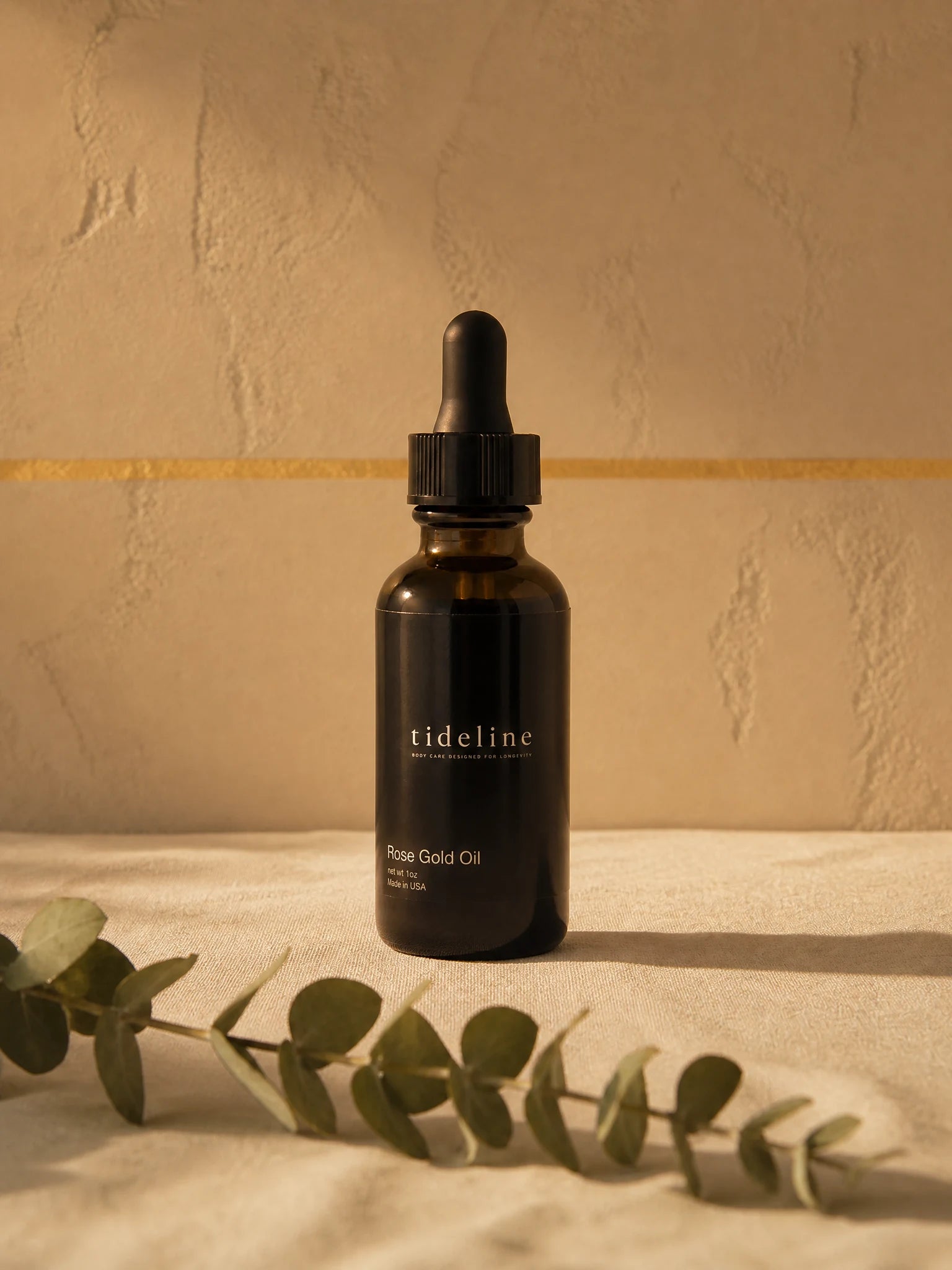
rose gold oil
A luxurious rosehip facial oil that absorbs fast and locks in moisture, leaving the complexion plump, bright and glowing.
shop rose gold oil · $88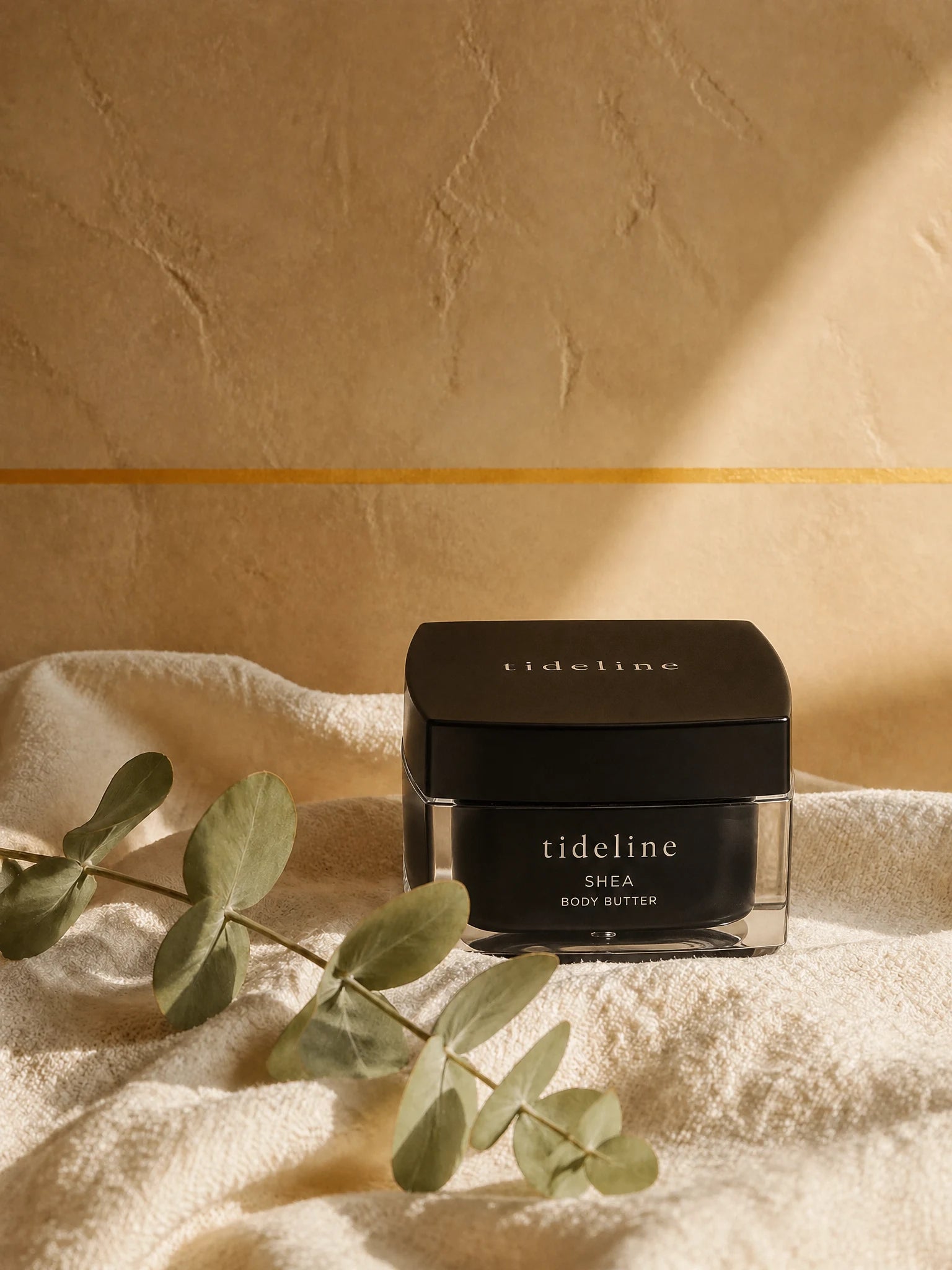
02seal · body
shea body butter
A gorgeous, thick body butter — rich in natural fats, built on sunflower seed oil. Non-greasy, non-sticky, deeply softening.
shop shea body butter · $64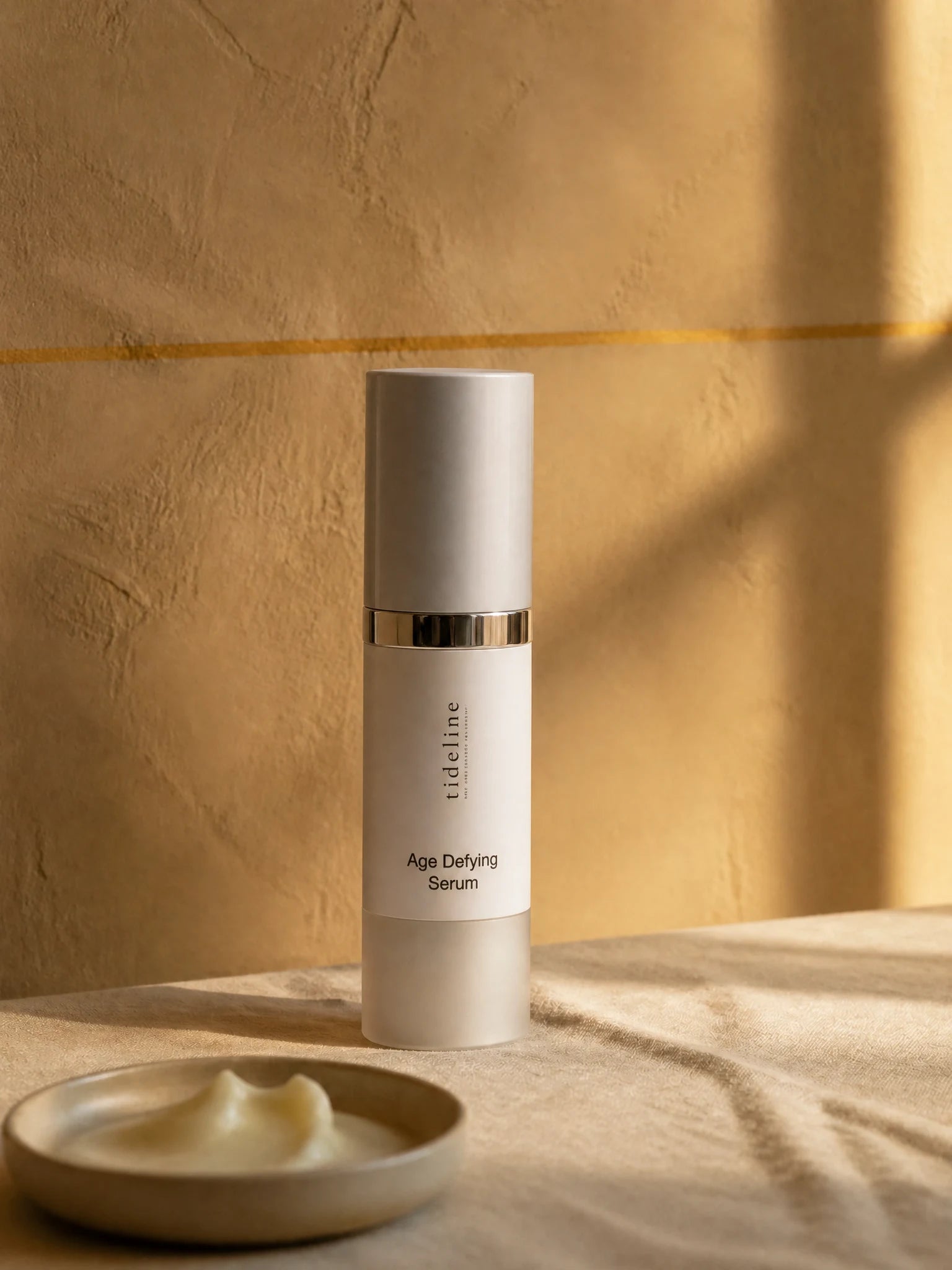
03treat · face & neck
age-defying serum
An emollient age-defying serum that drinks into the skin — hyaluronic acid and squalane for moisture, stabilised vitamin C and E to brighten and defend.
shop age-defying serum · $120